When to Schedule Service for Your Blasting Equipment

Service for blasting equipment

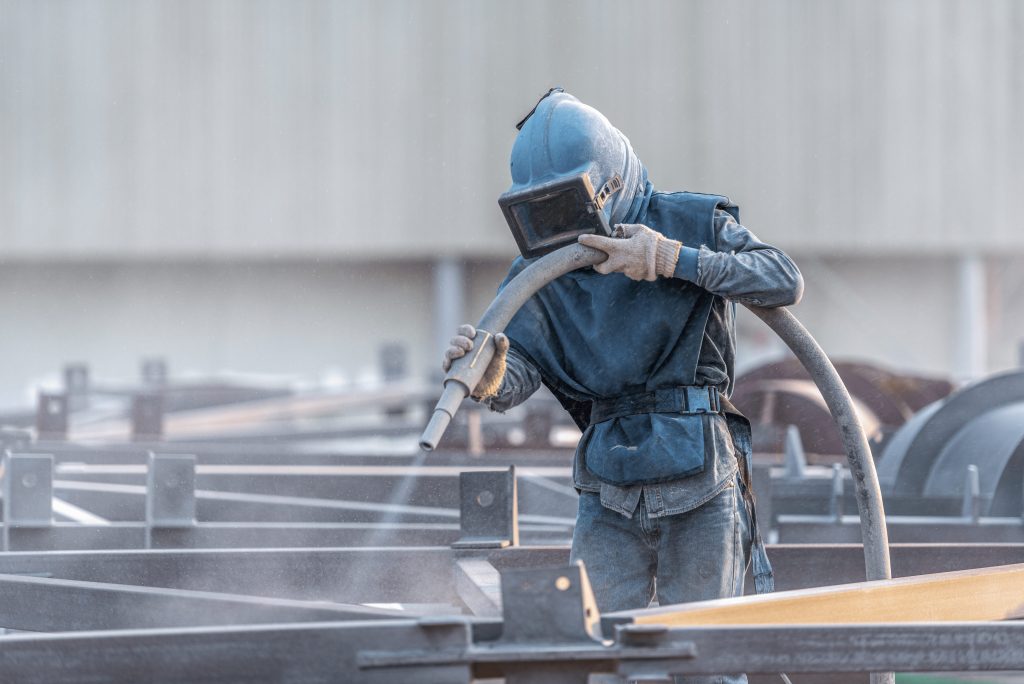
Abrasive blasting involves forcing abrasive material at high speed through components. This makes parts wear down constantly. Proactive maintenance and repairs help you keep blasting equipment productive for longer. Timely service helps detect issues early, ensuring operator safety and extending the machine’s life. Finishing Systems has been providing industrial equipment solutions since 1970. We are committed to operational excellence, offering high-quality equipment, parts and service.

Recognizing the Signs Your Blasting Equipment Needs Attention

Scheduling service for blasting equipment is essential to maximize uptime, ensure safety and maintain efficiency. Some common indicators that your machine needs service include:

Abrasive Delivery System Warning Signs

The blast pot and abrasive delivery system are crucial components of any blasting setup. They hold the abrasive media and are responsible for regulating, mixing and delivering it into the air stream for conveyance to the blast nozzle. Some things to look at when inspecting equipment include:

  • Blast pot valve leaks: Noticeable air leaks around valves lead to pressure loss and inconsistent blasting.
  • Abrasive flow: A sign that the delivery system has an issue is inconsistent, sputtering or complete stoppage of abrasive flow.
  • Metering valve: This component controls the amount of abrasive entering the air stream. If it’s worn, stuck or improperly adjusted, it can lead to incorrect abrasive delivery —  either too much or too little.

Air Supply System Health

The air supply system serves as the power and delivery mechanism for the abrasive media in the machine. The air compressor takes atmospheric air and compresses it to very high pressures. This compressed air is the energy source that drives the entire blasting process.

Some signs the air supply system needs service include:

  • Oil or contaminants in the air stream
  • Reduced air or fluctuating air pressure
  • Moisture in the blast pot or blast stream
  • Frequent clogging of air filters or moisture traps
  • Unusual noises and overheating of the air compressor

Wear and Tear Alerts on Nozzles, Hoses and Fittings

Abrasive blasting creates a highly erosive environment. The particles are often hard and sharp and can travel at speeds exceeding hundreds of miles per hour, creating immense friction. Nozzles, hoses and fittings are on the front lines of this process, receiving the most wear and tear.

Some signs to look for when inspecting your equipment include:

  • Nozzles: These components are the point where the high-velocity abrasive media is focused and expelled. Some signs of nozzle wear include enlarged orifices, reduced impact force, and uneven or irregular blast patterns.
  • Blast hoses: Blast hoses are often subjected to significant movement, bending and dragging on jobsites. Some signs that hoses need replacing include bulges, soft spots, leaks, abrasion, hardening and excessive noise.
  • Fittings and couplings: Fittings often change the direction or diameter of the abrasive flow, resulting in concentrated abrasive impact and friction. Some signs of worn fittings and couplings include visible air leaks, loose connections, damaged gaskets and difficulty in achieving pressure.

Establishing a Proactive Blasting Equipment Maintenance Schedule

Scheduling service for blasting equipment should be done based on a combination of regular checks, operating hours and professional scheduled maintenance. Regular internal inspections help monitor equipment performance, while consistent professional service extends service life.

 A strategic maintenance schedule includes:

  • Daily checks for optimal operation: Operators should perform quick, essential checks before and after each use, such as visual inspections, draining moisture traps and verifying safety controls.
  • Weekly and monthly preventive actions: Follow manufacturer guidelines for in-depth maintenance, including inspecting blast pot interiors, checking air compressor oil and thoroughly cleaning dust collection systems.
  • Professional maintenance: Schedule a full system inspection by technicians two or four times a year, depending on use frequency and wear.

Contact Finishing Systems for Blasting Equipment Solutions

Finishing Systems is your comprehensive solutions provider for specialized equipment, an extensive range of abrasives and expert job shop services. We offer genuine replacement parts for abrasive equipment performance. Browse our parts and accessories, or contact our team online for expert advice to keep your operations running smoothly.
Previous ArticleChoosing the Right Blast Lift for Your Application Next ArticleAluminum Oxide vs. Garnet vs. Crushed Glass: When to Choose Each