
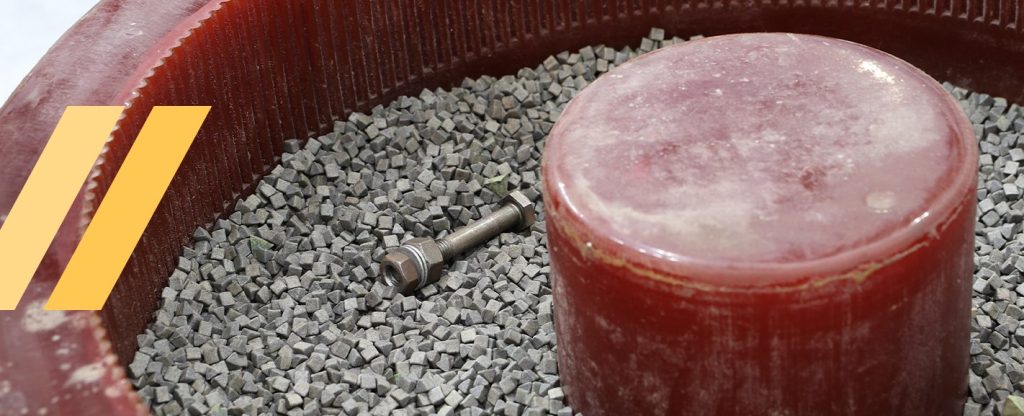
Vibratory finishing equipment represents a significant capital investment for any finishing department. However, when a bowl or tumbler goes down unexpectedly, the impact can show up fast in missed deadlines, inconsistent results and unplanned repair costs.
The good news is that premature wear is often preventable. With the right media choices, consistent maintenance habits and proper operating procedures, vibratory finishing equipment can deliver reliable performance for many years. Below, we explore five practical ways to extend the life of your vibratory finishing equipment and reduce avoidable downtime.
Media selection plays a much bigger role in equipment longevity than many operations realize. The wrong media can wear down linings, strain motors and reduce bowl efficiency long before the machine reaches its expected service life. Choosing the right media starts with understanding how size, shape and material interact with both the parts and the bowl itself.
Every vibratory bowl relies on controlled friction and movement. When media is poorly matched to the application, it can create uneven forces that accelerate wear in high-impact areas.
Common risks include the following:
While each finishing process is unique, the following principles in selecting media can help protect both parts and equipment:
Because media selection directly affects bowl wear, consulting with an experienced finishing partner for application-specific recommendations can prevent costly trial-and-error mistakes.
Media glazing is a common yet often misunderstood issue that affects both the quality of finishes and the health of equipment. Left unaddressed, glazing can shorten media life and contribute to unnecessary stress on the vibratory system.
Media glazing occurs when metal fines, oils and compounds build up on the surface of the media, creating a slick coating that reduces cutting action.
To help avoid media glazing, supervisors should focus on the following for consistent process control:
Taking steps to avoid media glazing improves finishing consistency while reducing unnecessary strain on vibratory equipment.
Preventive maintenance remains one of the most effective ways to extend the life of vibratory finishing equipment. Small issues caught early often prevent major repairs or complete equipment failure later. A simple, repeatable maintenance routine helps supervisors stay ahead of wear-related problems.
Routine inspections allow teams to be proactive with their maintenance. A comprehensive schedule should include the following checks:
Routing inspections allows teams to schedule maintenance proactively, rather than reacting to failures during production runs. For example, catching early lining wear allows for planned relining instead of emergency shutdowns caused by lining failure. Regularly checking your bowl helps extend equipment life while maintaining consistent finishing performance.
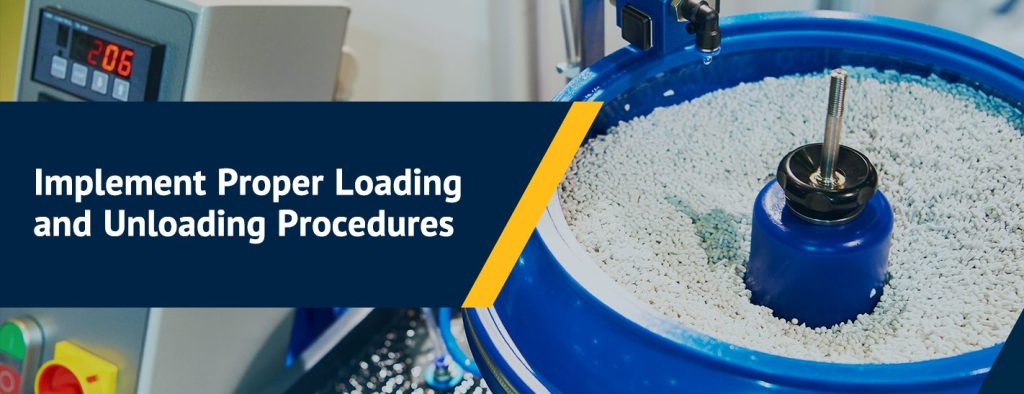
Even well-maintained equipment can suffer premature damage if loading and unloading practices are not properly followed. Many lining failures occur not during processing but during handling. Proper procedures protect the bowl lining and reduce shock to the system.
Loading should always prioritize protecting the lining from impact damage:
Deciding whether to reline or replace a vibratory bowl is a critical financial decision. Making the right call helps supervisors maximize ROI without sacrificing performance or reliability. Understanding the signs of lining failure versus structural equipment issues allows for informed decision-making.
Relining is often the most cost-effective option when the underlying equipment remains sound. Replacement becomes the better option when wear extends beyond the lining.
Consider replacement if:
Making a data-driven decision between relining and replacement helps supervisors strike a balance between short-term costs and long-term reliability.
Learn more with these answers to frequently asked questions:
Media replacement depends on material type, application and process control. With proper compound levels, water flow and regular cleaning to prevent glazing, media can last significantly longer while maintaining consistent finishing performance.
Premature lining wear is often caused by improperly placing parts directly onto the lining and running equipment with low water or incorrect compound concentrations.
In many cases, relining restores flow patterns, protects the bowl structure and returns finishing efficiency close to original levels, provided the motor and bowl structure remain in good condition.
Extending the life of vibratory finishing equipment requires experience, the right materials and a partner who understands finishing systems inside and out.
Finishing Systems supports supervisors with expert guidance, professional vibratory bowl relining services, high-quality finishing media and compounds, and assistance in selecting new equipment when the time is right.
Contact us today for tailored recommendations. Let us discuss relining options, media recommendations and long-term equipment strategies that help protect your investment.